Is The Full Body Red Light Therapy Blanket Worth The Investment For Home Use

A $1060 wellness device needs to earn its place at home. This review examines the value behind Hooga and the routine required to justify the cost.
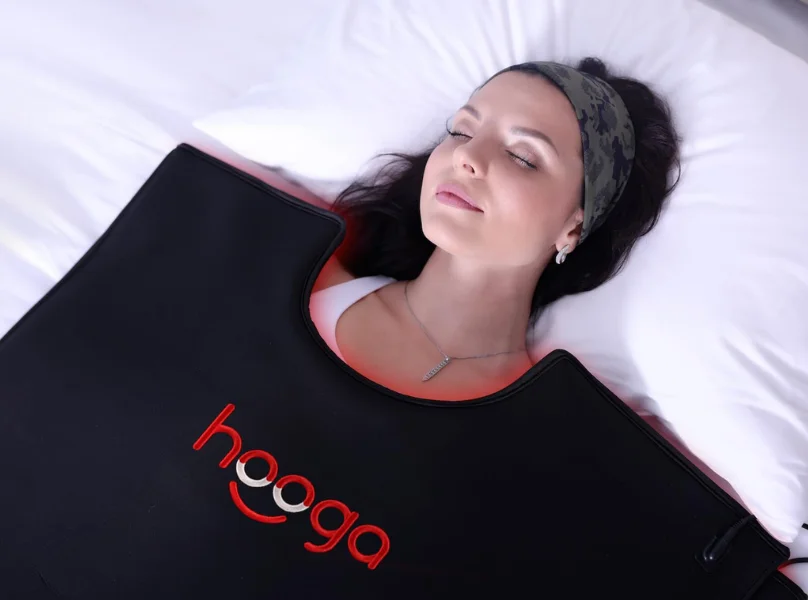
A Full Body Red Light Therapy Blanket promises something appealing: lie down, switch it on, and cover most of your body in one session. Yet at $1399, convenience alone is not enough to settle the decision.
This review looks at what Hooga provides for the price, where the design can make regular use easier, and which practical details could leave an expensive wellness device sitting unused.
Why The Price Creates Such A Difficult Buying Decision
Spending $1060 feels very different from trying a small wellness accessory. People naturally want to know how often they will use the device, where they will keep it, and whether a full body format solves a genuine problem in their routine.
That concern appeared repeatedly during research. One person on Reddit liked the idea of lying down for full body sessions because standing in front of panels was uncomfortable, yet found getting in and out of a pod frustrating. Another long term owner described storage and reliability concerns.
Those experiences reveal a useful way to judge value. Price should be divided by realistic use, not impressive specifications. A device used four times each week for two years has a very different cost per session from one used enthusiastically for a month and then stored away.
What The Hooga Red Light Therapy Blanket Offers For The Money
The Hooga Red Light Therapy Blanket contains 2680 triple chip LEDs, with 1400 on the back panel and 1280 on the front. It uses 660nm red and 850nm near infrared wavelengths, with surface irradiance listed at 70mW per square centimetre.
Hooga also includes adjustable brightness, pulse mode, and a digital timer. The blanket measures 71 inches by 32 inches when zipped and opens to 88 inches wide when laid flat. A two year warranty and 60 day trial period add some protection to a purchase that requires serious consideration.
Full Body Coverage Can Reduce Session Friction
The best-case is a simple coverage with the Full Body Red Light Therapy Blanket. When zipped, the front and back panels encircle the torso, hips and legs. That cuts down on a lot of the turning and repositioning that comes with working a few areas in one routine.
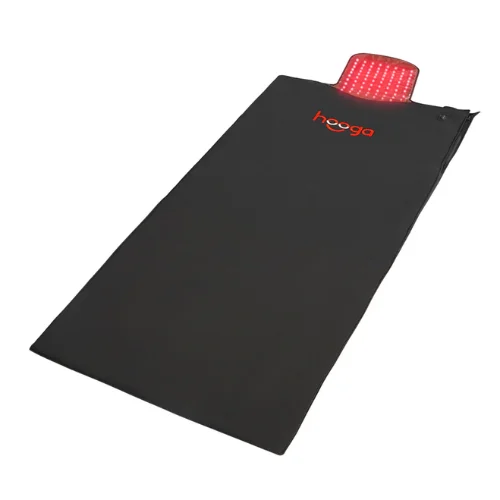
The blanket also unzips to a wide mat. Someone might use the closed format for a general session, but then open it flat when lying on one side feels more comfortable. That flexibility is important because equipment that can adapt to the day makes it easier to keep a routine.
Thousands Of Therapy Lights Surround The Body
Numbers alone do not prove that a device will deliver the outcome someone wants, but layout still matters. Hooga places Therapy Lights across both panels, which is central to the product experience rather than a minor specification.
One useful detail is the split between red and near infrared output within each triple chip bead. Even so, people should keep expectations grounded. Hooga describes this as a wellness device rather than an FDA cleared medical device, so personal health concerns deserve professional medical guidance.
Adjustable Settings Give The Routine More Flexibility
Brightness control can be useful for people who do not want to begin at maximum intensity. A built in timer also removes the need to watch a clock, while pulse mode gives another setting to explore based on comfort and preference.
Hooga recommends starting with sessions of 10 to 20 minutes and building on that. Staying consistent is more important than taking every session as far as possible. The best setting is one that is comfortable to use and can be repeated without making the routine feel like a chore.
Where The Blanket Can Add Real Convenience
Convenience sounds vague until you start talking about everyday behaviour. A big wellness device’s value is in bridging the gap between intent and action. The blanket here is more of a coherent argument than many complex home configurations.
Less Repositioning Can Make Sessions Simpler
One Reddit discussion captured the tradeoff well. One person found the panels more intense and a blanket covered the whole body quicker. That doesn’t prove that one format is better than the other, but it does suggest the practical advantages of wide coverage.
If you don’t like standing still or changing position over and over, lying down might get rid of enough friction to make things more consistent. That can be more important in real life than owning equipment with impressive specifications that rarely fits into the day.
A Routine Built Around Lying Down Feels Easier
A session can fit into an evening wind down or post training routine without requiring much active effort. Set the timer, choose the brightness, and remain in place. Some people may find that format easier to repeat after a long day.
Still, comfort should not be assumed. The device is substantial, and some people in researched discussions mentioned warmth, weight, and awkward movement. The useful question is not simply whether lying down sounds relaxing. Consider how comfortable you are with enclosed equipment and limited movement for 10 to 20 minutes.
Home Use Removes A Different Kind Of Cost
The equipment is at home so there are no travel or scheduling issues. That convenience can add up fast for those already committed to regular sessions. There is no need to book an appointment and the machine is available as soon as a free slot appears.
Here is where the investment argument is strongest. For example, a user who appreciates spontaneous access might use the device much more frequently than a user who wants occasional wellness sessions. Access only makes sense if it results in action.
Is The Full Body Red Light Therapy Blanket Worth It For You
The answer, at $1399, has less to do with curiosity and more to do with habit. The Full Body Red Light Therapy Blanket has a wide coverage area, two usable formats, adjustable controls and a design that might make regular home sessions easier. The benefits are meaningful for the right person.
Answer three questions prior to ordering. Where are you going to use it? Where are you going to store it? What four days each week can realistically accommodate a session? When answers are clear, it’s easier to justify the investment. Vague answers point to waiting.
Frequently Asked Questions
How Long Should A Session Last?
Hooga says most people start with 10 to 20 minute sessions, and then tweak as they go based on comfort and goals. The controller has a timer on it to help keep the sessions consistent.
Can The Blanket Be Washed?
No. Electronics and LEDs are built into the device. Hooga recommends wiping the inner surface with a soft, lightly damp cloth and allowing the blanket to cool before storage.
Can Clothing Be Worn Inside The Blanket?
Hooga recommends removing most or all clothing because fabric blocks direct light exposure. Bare skin provides more direct contact with the light.
Is The Blanket The Same As The Former Hooga Pod?
Yes. Hooga says the current product was previously called the Red Light Therapy Pod. The newer name describes the format more clearly.
A premium wellness device should solve a problem you already have, not create a routine you hope to become. The Hooga Red Light Therapy Blanket makes a practical case when full body coverage, home access, and lying down remove genuine barriers from your schedule.
People ready to purchase should also check available Hooga Promo Codes before ordering to see if a discount can lower the upfront cost.
Follow SwingTechs for more practical insights on health and fitness.
Recent Blogs
-

Do Luxy Seamless Extensions Really Look Natural In Everyday Hair
-

Best Moissanite Pendant You Need in Your Jewelry Collection
-

Your Guide to Clearer Skin With Honeydew’s Tretinoin Treatment
-
Dore And Rose Pajama Sets For More Comfortable Nights At Home
-

Best Crew Neck Sweaters for Men From Bonobos Made for Easy Layering