How AI is Transforming the Beauty Industry in 2024

From hyper-personalized beauty recommendations to eco-friendly innovations, AI will empower brands to connect with consumers in new ways.
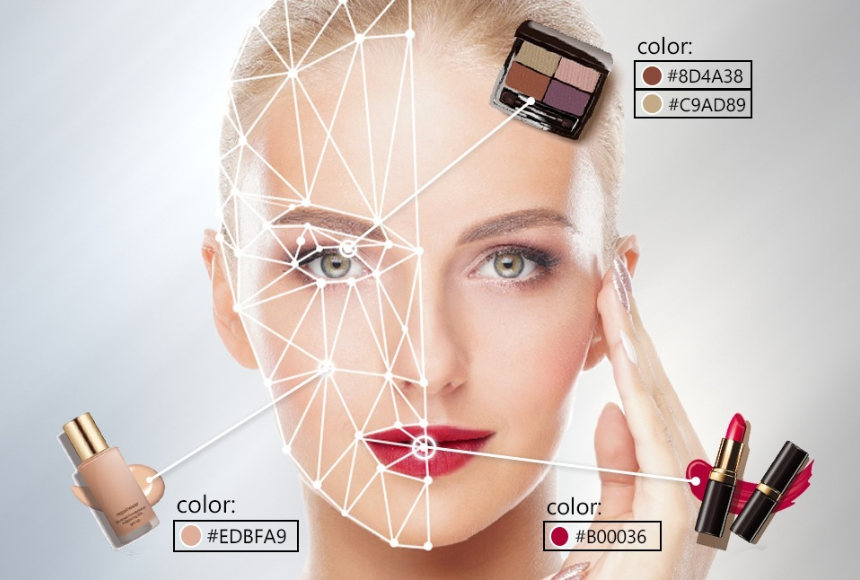
Artificial Intelligence (AI) has been changing how we live in countless ways, and in 2024, it's leaving a noticeable mark on the beauty industry. From virtual try-on experiences that let you test products without stepping into a store to hyper-personalized skincare routines crafted just for you, AI is helping brands engage with consumers in ways that seemed like science fiction just a few years ago. Not only is it reshaping the customer experience, but AI is also pushing for more eco-friendly solutions, making it a win-win for both consumers and the planet. But how exactly is AI transforming the beauty industry? Let’s take a look.
Personalized Beauty at Its Finest
Gone are the days when you had to rely on a one-size-fits-all beauty product or guess which foundation shade might match your skin. AI in the beauty industry has brought hyper-personalized recommendations that take into account everything from your skin type to your lifestyle. Have you ever tried buying foundation only to find out later, under natural light, that it didn’t quite match your skin tone? AI ensures that never happens again.
Many beauty brands now use AI-powered algorithms to offer product suggestions tailored just for you. Data such as your previous purchases, skincare concerns, and even the climate you live in is analyzed. AI then can recommend the right skincare regimen or makeup shade. Some apps can even predict how your skin will change in different weather conditions and suggest products to keep it in top shape, no more guessing, just results.
Virtual Try-Ons
Remember the days of visiting a crowded shopping mall, only to wait in line to try on makeup or skincare products? Not anymore. Virtual try-ons, powered by AI, are becoming the norm. Imagine testing different lipstick shades, eye shadows, or even entire makeup looks without ever leaving your home. These AI-powered experiences use augmented reality (AR) to let you see how products will look on your face in real time, all from the comfort of your couch.
It’s like having your own personal beauty assistant, no more smudged lipstick samples or mismatched foundation trials in harsh store lighting. Brands like Sephora and L'Oréal have already introduced virtual try-on apps, making it easy for consumers to try out products before committing to a purchase. It's perfect for busy schedules, saving both time and effort. Not to mention, it eliminates product waste because we all know how it feels to buy a shade that just wasn’t right.
Sustainability in the Beauty Industry
AI isn’t just about giving you the perfect foundation match or helping you test out new looks, it's also driving sustainability in beauty. Today’s consumers are more eco-conscious than ever, and AI is helping brands meet this demand. From sourcing ingredients more responsibly to reducing packaging waste, AI plays a significant role in making beauty greener.
For instance, some AI tools analyze supply chains to ensure ingredients are ethically sourced, while others help brands optimize product packaging to minimize waste. AI can also predict demand more accurately, preventing overproduction and reducing the environmental impact of unsold products. By improving everything from the manufacturing process to the final product, AI ensures that sustainability is at the heart of the beauty industry’s future.
AI and Inclusivity
Inclusivity has become a major conversation in the beauty industry, and AI is helping drive this change forward. One of the biggest challenges in beauty has been ensuring that products cater to a diverse range of skin tones, textures, and concerns. AI is helping to close that gap.
AI algorithms, when trained on diverse datasets, can identify the unique needs of underrepresented groups and help brands create products that are more inclusive. Whether it’s developing foundations that match a wider variety of skin tones or creating hair care products tailored to specific textures, AI makes it easier for brands to serve a more diverse audience. This means consumers are no longer left out simply because their skin tone or hair type wasn’t considered during the product development process.
Data-Driven Insights
AI doesn’t just react to consumer behavior, it helps predict it. Beauty industry marketing has shifted dramatically with the help of AI’s ability to analyze vast amounts of data. Social media trends, customer feedback, and online reviews are all being mined to identify emerging beauty trends before they hit mainstream markets.
Brands can now tap into AI-powered tools to predict which beauty trends are gaining traction, allowing them to respond more quickly with new products. From “clean beauty” movements to eco-friendly alternatives, AI helps brands stay one step ahead, delivering what consumers want, often before they even know they want it.
At-Home AI Beauty Devices
Why book expensive salon appointments when AI-powered devices can bring personalized treatments right to your home? From smart mirrors that analyze your skin in real time to AI skincare devices that provide tailored routines based on your skin’s current needs, the future of at-home beauty looks incredibly exciting.
Some of these devices can even adjust treatments based on environmental factors, like humidity and pollution levels. This kind of personalization was unheard of just a few years ago but is now becoming more accessible thanks to AI. Imagine waking up in the morning, glancing in your smart mirror, and having your beauty routine ready to go based on your skin’s specific needs that day. It’s the ultimate personalized beauty experience right in your bathroom.
Ethical AI
As exciting as AI is, it’s not without its challenges. Ethical considerations, such as data privacy and transparency, are at the forefront of AI’s future in the beauty industry. Brands must ensure they’re using AI responsibly, especially when collecting and analyzing personal data.
There’s also the issue of bias. If AI systems are trained on narrow datasets, they may produce recommendations that don’t consider the needs of all consumers. To avoid this, it’s crucial that AI algorithms are trained on diverse datasets to ensure inclusivity. Transparency in how AI systems operate will be key to building and maintaining consumer trust, ensuring that AI-driven beauty experiences are beneficial to everyone.
AI is the future of the beauty industry. From hyper-personalized recommendations and virtual try-ons to driving sustainability and inclusivity, AI is transforming how beauty brands connect with consumers. As AI continues to evolve, it will unlock new possibilities for personalization, convenience, and eco-friendly practices, making beauty smarter, greener, and more inclusive than ever before.
Follow Swingtechs for more insights into how technology is reshaping the beauty industry and beyond.
Recent Blogs
-
Do Luxy Seamless Extensions Really Look Natural In Everyday Hair
-
Best Moissanite Pendant You Need in Your Jewelry Collection
-
Your Guide to Clearer Skin With Honeydew’s Tretinoin Treatment
-
Dore And Rose Pajama Sets For More Comfortable Nights At Home
-

Best Crew Neck Sweaters for Men From Bonobos Made for Easy Layering