The Real Luxury Of Lymow One Plus Is Not Cutting Grass

A lawn has a recurring cost measured in hours. Lymow One Plus tries to reduce that cost by moving routine mowing into the background.
All featured products are selected by our editors and may include affiliate links. If you purchase through these links, we may earn a commission.
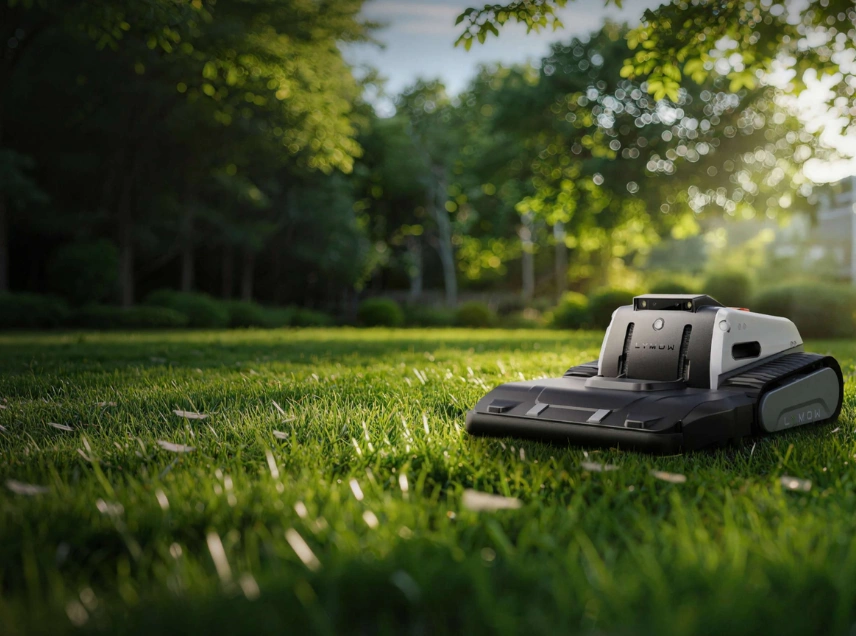
A Robotic Lawn Mower sounds appealing because nobody particularly misses pushing or driving a mower in circles. Yet Lymow One Plus makes a more interesting case than simple automation. Its real value lies in removing a recurring appointment from your week.
This Lymow One Review looks at how much lawn work can genuinely fade into the background, where human attention remains necessary, and when saved time begins to justify a substantial purchase.
A Well-Kept Lawn Demands A Lot Of Your Time
Mowing, once thought of, seldom seems like a big commitment. Add every cut across spring and summer. Add charging or fuelling, removing trash, traversing slopes, returning to places you missed. Lawn care starts acting like a subscription paid in hours.
The recurrent expense is especially important on a large property. Fewer long mowing sessions to schedule is convenient. When dozens go missing in a season, the amount of personal attention a lawn needs can drop dramatically.
This is where a Robotic Lawn Mower becomes more than another garden gadget. Lymow One Plus is designed to mow on a schedule, recharge by itself, resume unfinished work, and manage multiple lawn zones. Lymow says its app can control as many as 80 zones, while the 10A model is rated for up to 1.73 acres of coverage per day.
Lymow One Plus Turns Mowing Into Background Work
The only beneficial shift is when grass ceases to be an event. Scheduling mowing means you can mow more regularly, and deal with smaller quantities of growth, rather than waiting until the growth is visible and giving up part of a weekend to chop it down again.
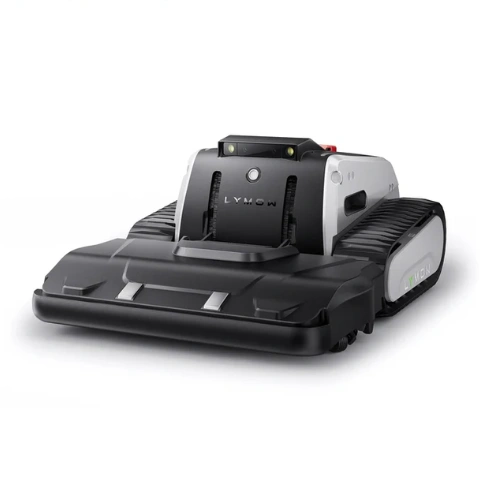
This distinction was shown in independent testing. Once set up, planned sessions started automatically without any more input, Tom’s Guide reported, thus reducing the time spent mowing and the mental effort to recall when the lawn needed attention.
The Lymow One Plus also passed the same test, staying inside the defined bounds and respecting the prohibited areas.
Autonomous Navigation Removes Repetitive Driving
Lymow combines RTK positioning with visual mapping, while AI vision and ultrasonic sensors help identify obstacles. Virtual boundaries replace buried perimeter wire, so you map the property through the app and create areas the mower should avoid.
It's technology that's important for everyday use because you don't have to steer every pass yourself. The Lymow Robot Mower can cut a pre-set path and return to its charger and resume after recharging. Automation earns its place by those modest recurring tasks, not one stunning mowing demonstration.
The same approach is backed up by terrain capability. It has tracked treads that can manage inclines of 45 degrees, and a floating 16-inch cutting deck that’s designed to contour to uneven terrain. Techaeris independently tested the traction during real-world use and found it to be excellent on hills, roots, and gravel.
Frequent Cutting Changes The Weekend Mowing Marathon
Lymow One Plus uses two rotary SK5 blades with speeds reaching 6000 RPM. Cyclone airflow is intended to lift flattened grass before cutting, while clippings and leaves can be reduced into finer mulch rather than collected afterward.
Regularity may be more important than just lowering power. Cutting more often means there’s less time for the grass to become an overgrown chore. A Robotic Lawn Mower functioning multiple times during the week might therefore convert mowing from periodic recuperation to ongoing upkeep.
There is a limit to that advantage. Tom’s Guide found especially long and thick patches that could flatten beneath the mower and leave tufts behind. Dandelion stems created a similar problem. The lawn still looked well maintained afterward, but the test did not support the idea that every manual mowing job would disappear permanently.
Large Lawns Make Saved Time Easier To Notice
Lymow One Plus makes its best practical case when time is already being taken to mow. The 10A version has a claimed maximum runtime of three hours, rapid charging and daily coverage of up to 1.73 acres (under stated conditions).
Someone keeping a little plot of grass may find it hard to get enough saved time out of premium equipment. A bigger property or a property with a slope modifies that calculation because each autonomous pass replaces more repeated labor.
Automation Still Has A Few Jobs For You
Hands-free mowing should not be mistaken for an attention-free lawn. Setup, blades, cleaning, mapping adjustments, seasonal growth, and unusual obstacles remain part of ownership.
Lymow does reduce some maintenance friction. The deck can lift for easier cleaning, while the machine carries an IPX6 water resistance rating. Its LiFePO4 battery is rated by Lymow for 2000 charge cycles.
Setup Determines How Smoothly Mowing Begins
The first few days demand more attention than months later. The RTK station placement, charging station position, mapping boundaries, channels, restricted regions and mowing settings all determine how independently the machine behaves afterward.
A recent Reddit thread highlights that tradeoff well. One person said that many days of irritation with the setup and a learning curve, but eventually reported the mower finishing about 12000 square feet on one charge, returning to its dock correctly and leaving tidy rows. The same customer also reported many app issues.
Tree cover deserves particular attention. Another verified experience supplied on Lymow’s own product page describes positioning accuracy becoming weaker beneath a large pine before improving again in clearer areas. That does not make wooded lawns unsuitable, but it makes thoughtful RTK placement more important than the phrase wire free might initially suggest.
Edges May Still Need Occasional Attention
Automation works best in the repeatable middle of a lawn. Finishing work from time to time can still make sense on borders next to walls, landscaping, flower beds and other tricky transitions.
The broader robotic mower category still faces this limitation. Recent testing by The Verge identified edge trimming among the remaining jobs that can prevent robotic mowing from becoming completely autonomous.
FAQs
How Much Lawn Can Lymow One Plus Cover?
Lymow rates the 10A model at up to 1.73 acres per day and up to 0.57 acres per charge under its specified test circumstances. In practice, coverage varies with topography, grass quality, obstructions, speed settings and charging requirements.
Can Lymow One Plus Handle Slopes?
Lymow rates its tracked drive for inclines up to 45 degrees. Independent testing has also found the tracks effective on steep and uneven ground, although traction can still depend on surface conditions.
Does Lymow One Plus Completely Replace Manual Mowing?
Not necessarily. Tom’s Guide found that the mower substantially reduced manual mowing but still left enough difficult patches to make occasional traditional mowing useful.
Lymow One Plus makes the most sense when you measure what Lymow can give back across an entire mowing season. Less time spent circling the lawn means more freedom to use those hours elsewhere, even if occasional trimming and maintenance remain.
Follow SwingTechs for more useful home and lifestyle insights.