How Hyper-Local Geomapping is Changing Advertising by Bringing Precision and Context to Location-Based Targeting

Hyper-local geo mapping is transforming how brands target consumers by focusing on travel patterns and neighborhood behaviors.
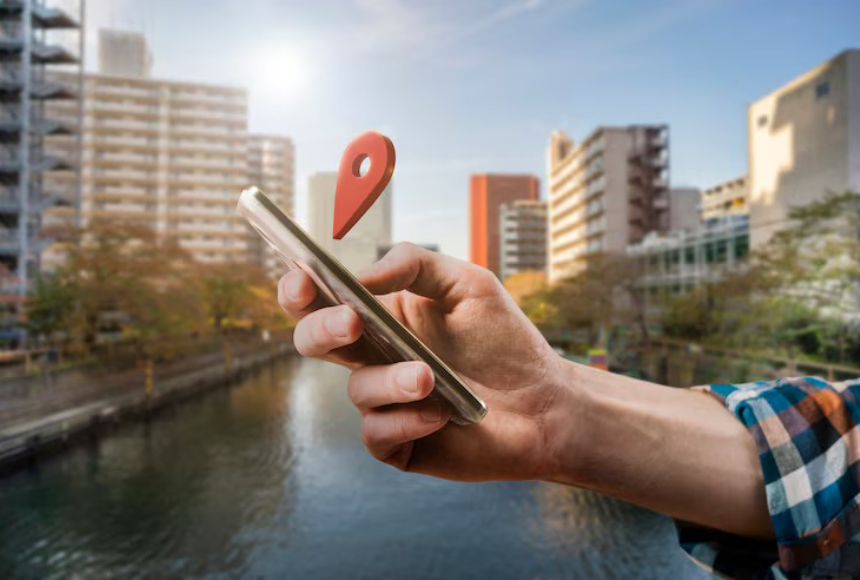
As the digital landscape shifts, advertising is returning to something that feels much more personal: location. Hyper-local geomapping is at the forefront of this change, bringing back the focus on where people are, how they move, and what they do in their immediate surroundings. It’s no longer about broad strokes or vague demographic assumptions. Instead, advertisers now have the ability to understand real-time behaviors within specific neighborhoods, streets, and even buildings.
This isn’t just a minor tweak in strategy but a complete revolution in location-based targeting. Brands can now deliver messages with pinpoint accuracy, tapping into community rhythms, travel patterns, and localized behaviors to create advertising that feels perfectly timed and contextually relevant. So, what exactly is hyper-local geomapping, and how is it reshaping advertising in 2024?
What is Geomapping?
At its core, geomapping refers to the use of geographic data to analyze and visualize specific areas. However, in advertising, it’s much more powerful than simply placing a dot on a map. Geomapping allows brands to dive deep into the behavior patterns of consumers as they move through their everyday environments. It reveals not just where people go, but how long they stay, how they interact with their surroundings, and which local businesses or services catch their attention.
For advertisers, this means they can now craft messages that don’t just target a general area but speak directly to the specific behaviors of people in that space.
Why Context is the Game-Changer in Geomapping
Hyper-local geomapping doesn’t just focus on someone’s location. It dives deeper into understanding the context behind a consumer’s presence in a specific spot. Are they grabbing lunch in a busy downtown area? Visiting a local gym after work? Each behavior tells a story, and geomapping ensures advertisers can read and respond to that story with precision.
For instance, imagine a busy street corner that’s packed with foot traffic during weekday mornings, but quiets down in the afternoons. Advertisers using geomapping can target morning commuters with specific offers tailored to their routines, knowing exactly when their message will have the most impact. This context-driven approach makes the difference between a generic ad and one that resonates with what’s happening in a consumer’s life at that moment.
Location-Based Marketing with Geomapping Technology
Gone are the days when advertisers threw out broad campaigns hoping they’d stick somewhere. With geomapping technology, brands now have the ability to hone in on the precise behaviors of consumers in real-time, in hyper-specific locations. This revolution is turning location-based marketing into a science of precision.
Take a local café that sits on a street corner with heavy pedestrian traffic. By analyzing the movements of people in that area, geomapping technology can reveal peak times, popular walking routes, and the other businesses those consumers frequent. With this information, the café could launch geo-targeted promotions at the exact times of day when foot traffic spikes, offering incentives to people nearby who are likely to walk in.
This is about understanding how people move and interact with their surroundings, and then responding with highly targeted messaging that hits the mark.
Why Consumers are Going Back to Basics
For years, the internet opened up a world of global possibilities. Consumers became more connected, exploring products, services, and trends from all corners of the world. But now, with so much information available, people are craving something more tangible—something local. The pendulum has swung back, and consumers are re-engaging with their immediate surroundings.
This shift is exactly where hyper-local geomapping shines. Brands that once focused on reaching wide, global audiences are rediscovering the value of local engagement. Instead of focusing on big, sweeping campaigns, they’re diving into community-level insights, targeting individuals who live, work, and play in specific neighborhoods.
For example, a local gym could use geomapping to identify patterns in foot traffic, when people are most likely to walk by after work, how many commuters pass by in the morning, and which neighboring businesses they visit before heading home. This kind of insight allows the gym to serve ads or promotions exactly when and where potential customers are most likely to engage.
Geodemographic Data and Neighborhood Insights
Beyond the movements of individuals, geodemographic tools like MOSAIC provide advertisers with a deeper understanding of neighborhood characteristics. These tools analyze data related to local economies, population behaviors, and community traits, allowing brands to adjust their messaging to fit the vibe of the area.
Let’s say a new organic grocery store wants to attract health-conscious shoppers. By using geodemographic data, they can identify areas where there’s a higher concentration of consumers interested in wellness products. They can also determine when those consumers are most active—whether it’s during morning runs at the nearby park or in the evenings after gym hours. This level of targeting ensures that the grocery store’s marketing efforts reach the right people at the right time.
Cross-Channel Precision
One of the most exciting aspects of geomapping technology is its ability to integrate across multiple platforms for location-based targeting. It’s about creating a holistic, cross-channel experience that reaches consumers through various touchpoints, all driven by the same hyper-local data.
Imagine walking past a digital billboard that displays a promotion for a local restaurant, which just so happens to appear on your phone moments later via a push notification. That’s geomapping in action—tying together digital billboards, mobile ads, and in-store experiences for a seamless, location-driven marketing strategy. By uniting multiple channels under a common strategy, brands can create stronger, more cohesive campaigns that make consumers feel personally engaged, no matter where they are.
Cookieless Future
As privacy concerns grow and we move into a cookieless digital world, geomapping offers a refreshing solution. It allows advertisers to create highly targeted campaigns without relying on personal data that consumers are increasingly reluctant to share. Instead of tracking users across the web, geomapping focuses on geographic and behavioral patterns, offering a form of precision targeting that doesn’t invade personal privacy.
This makes geomapping an ideal tool for modern location-based advertising. It focuses on real-time actions and movements,allowing brands to connect with consumers in a meaningful, relevant way without crossing any privacy boundaries.
Hyper-local geomapping is definitely the future of advertising. It focuses on real-time, context-driven insights, enabling brands to create personalized, highly relevant campaigns that speak directly to the consumer’s moment. It’s all about being in the right place, at the right time, with the right message.
Stay tuned to Swingtechs for more insights into how technology is reshaping advertising and other industries.
Recent Blogs
-

Do Luxy Seamless Extensions Really Look Natural In Everyday Hair
-

Best Moissanite Pendant You Need in Your Jewelry Collection
-

Your Guide to Clearer Skin With Honeydew’s Tretinoin Treatment
-

Dore And Rose Pajama Sets For More Comfortable Nights At Home
-

Best Crew Neck Sweaters for Men From Bonobos Made for Easy Layering