5 Tips About Bike Rack Tips You Need To Know Before Hitting the Road

Your first road trip with your bike shouldn't involve you having to worry about whether your bike is secure. The right bike rack makes transportation much simpler when you know how to use it properly. Start with these five essential tips before you hit the road.
All featured products are selected by our editors and may include affiliate links. If you purchase through these links, we may earn a commission.
Planning a road trip with your bike sounds exciting. And then you’re left standing beside your car wondering how you're supposed to get the damned thing there. You grab some rope or bungee cords to tie it to the hood which seems to study enough at first… and then you notice that one loop giving way or a knot not tied down tightly. Next thing you know, your head’s flooded with questions and the thought of your bike flying from the roof while you’re on the road.
Thankfully, you don't have to turn your ride into a DIY hauler. A bike rack is a secure, robust way to transport your bike securely, so you don’t have to worry about your bike flying off while you’re on the road. But choosing and using one can get tricky when you're new to it. So before you hit the road, here are five practical tips to make things easier.
Why It’s Important to Get the Bike Rack Right from the Get Go?
A properly chosen and installed rack not only protects your bike, but also everyone driving behind you and even your car. It’s the key difference maker between a stress free trip and one spent worrying every time you hit a bump. For someone who’s setting up a bike rack for the first time, choosing the right rack is essential to keep the trip and your car and bike free from disaster.
That is where Rhino Rack USA comes in handy. With decades of experience building racks that are simple to install and genuinely secure, they take a lot of the guessing out of the process which is exactly what a beginner needs.
5 Bike Rack Tips for Beginners
Here are the five things every beginner should know before their first trip.
Match the Rack Type to Your Vehicle and How You Actually Ride
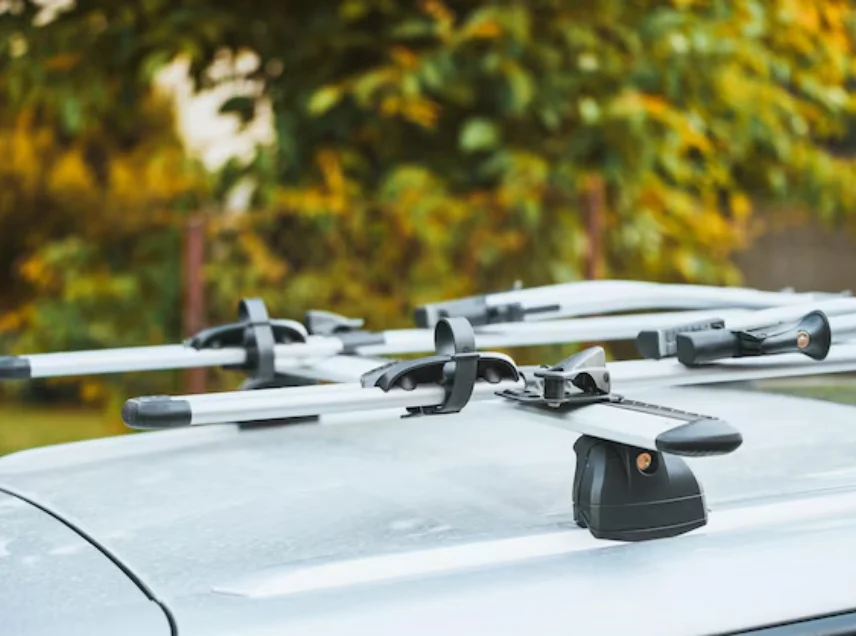
There are four main styles to choose from. Hitch mounted racks slide into your vehicle's hitch receiver, sit low, and are usually the easiest and steadiest option for someone just starting out. Roof mounted racks keep your trunk clear, but you lift the bike overhead, and forgetting a bike is up there is one of the most common, costly mistakes people make.
Trunk racks are cheap and portable, though they rely on straps alone, so bikes can shift more in transit. Spare tire racks are a smart budget pick if your SUV already has a rear mounted spare. If this is your first rack, a hitch or trunk style is usually the simplest to learn on.
Check Weight Limits, Hitch Size, and Bike Fit Before You Buy
Every rack has a maximum weight per bike and a total capacity. Make sure to check that number against your actual bike and not just how many bikes the rack claims to hold. This matters more with mountain bikes or electric bikes as they often weigh 50 to 80 lbs or more.
If you’re getting a hitch rack, then verify your receiver size before you shop, since most racks only fit one size, not both. Wide tires and certain frames don't always suit hanging or clamp style racks, so a wheel mount or platform style is the safer bet if you're not sure what you have.
Install It at Home First and Give It a Wobble Test
Don't install your rack for the first time in a parking lot right before a trip. Mount it in your own driveway, load the bike you'll travel with, and give the setup a firm shake once it's strapped in.
It should feel solid, with no play in the frame, wheels, or cradles. While you're there, snap a photo of the correctly loaded setup. It comes in handy later when reloading after a rest stop, especially with more than one bike involved.
Recheck Everything at Every Stop and Watch Your Clearance
Straps can loosen and bolts tend to settle as you drive, and that's completely normal. It's exactly why experienced riders glance over the rack every time they stop for gas or food. It only takes ten seconds.
This is also a good time to check if your rear lights and plate are still visible, since some racks partly cover them. A cheap light bar or relocator fixes that. If you're using a roof rack, leave a reminder like a sticky note on the dashboard so you don't drive into a garage with the bike’s still on the roof.
Lock It Up Because a Bike Rack Isn't a Security System
A rack keeps your bike attached to the car while you drive, but it does nothing to stop someone from walking off with it while you're inside grabbing lunch. Use any built in cable lock or locking hitch pin that comes with your rack, every single time.
For longer trips, or stops where the car sits out of view, add a proper bike lock as backup, and take thirty seconds to remove anything with a quick release, like front wheels or seats.
Why Choose Rhino Rack USA for Your Bike Rack
Once you know what to look for, the brand behind the rack matters just as much as the style you pick. Rhino Rack has built vehicle mounted carriers since 1992, and its lineup now covers nearly every setup a beginner could need, especially after it added RockyMounts to its bike rack collection.
Here’s why Rhino Rack USA should be your go to for bike racks:
-
Every Rhino Rack bike carrier ships with anti theft locking hardware built right in, so security is already handled for you
-
Their online buying guide walks you through your vehicle type, bike type, and mounting style, which helps if you're torn between a hitch and a roof setup
-
Products come backed by a manufacturer warranty, so you're not gambling on a rack that fails on the second trip
-
The company has been designing this gear for more than three decades and now operates as part of Clarus Corporation, alongside established outdoor brands like Black Diamond, so you're working with a proven name, not an unknown startup
FAQs
What Should I Watch Out For With A Roof Bike Rack?
The biggest thing is clearance. Remember that your vehicle is now taller, especially when entering garages, parking structures, or anything with a low roof.
Can I Use Any Rhino Bike Rack With My Vehicle?
Not necessarily. Check your vehicle, bike type, mounting system, and weight limits first to make sure the Rhino bike rack you choose is actually compatible.
Should I Check My Bike Rack During A Road Trip?
Yes. Give the rack, straps, and bike a quick check whenever you stop, particularly during longer trips, to make sure nothing has shifted or loosened.
A bike rack only feels intimidating for about one trip. After that, it becomes second nature. Pick the type that fits your car and bike, double check weight and fit before buying, install it at home and test it, glance it over at every stop, and lock it up every time you park.
Get these five things right and you're ready for the road, wherever it takes you and your bike. So if you want a rack built to make this easier from day one, it's worth checking out Rhino Rack USA and seeing which setup fits your ride.
Keep following SwingTechs, your trusted destination for all things outdoors.